What We Mean When We Talk About Renewal

A personal revisit of the questions behind a co-authored MAISON Ë feature on longevity, regenerative medicine and the point at which scientific possibility becomes commercial promise.
For decades, the language of ageing was built around opposition. We spoke about anti-ageing, anti-wrinkle and anti-inflammatory strategies as though the body were something that had to be fought into submission, and the success of an intervention was often measured by how convincingly it appeared to erase evidence of time.
The longevity conversation is beginning to move elsewhere. When I worked with Eva Syndram on a MAISON Ë feature about regenerative medicine, stem cells, peptides and mitochondria, the subject that stayed with me was not the promise of eternal youth but the gradual shift from correction towards renewal.
That change in language matters because it changes the ambition. Healthspan is a more useful concept than immortality, and supporting the body’s ability to function well for longer is a more credible goal than pretending that biological ageing can simply be switched off. The science remains complex, and the commercial market often moves much faster than the evidence, which is exactly why the category deserves careful reporting rather than enthusiasm alone.
Stem-cell research is a good example. It has transformed modern biology and created legitimate possibilities in research and medicine, while at the same time becoming surrounded by claims that extend far beyond what is clinically established. The important distinction is between what can be demonstrated, what remains experimental and what is being sold because the language of regeneration is commercially powerful.
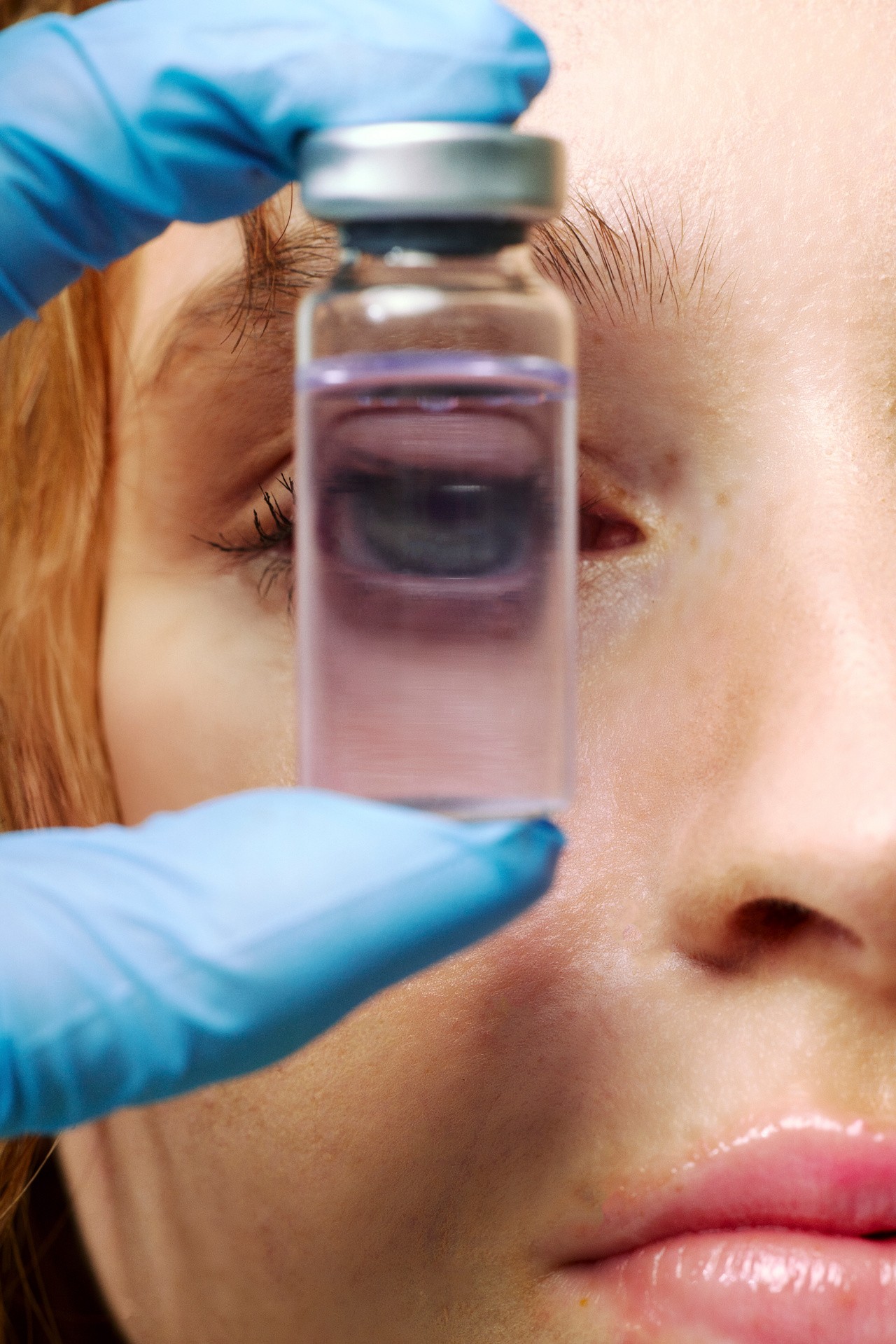

Peptides occupy a similarly complicated position. They are fundamental signalling molecules in the body and are already part of established medicine, but the popularity of emerging compounds has created a market in which scientific interest, self-experimentation and commercial appetite can become difficult to separate. The existence of an interesting molecule does not automatically produce a responsible therapy.
Mitochondria have also moved into the centre of longevity and skincare conversations because of their role in cellular energy and because mitochondrial function changes as we age. This has encouraged a broader idea of beauty that focuses less on replacing what appears to have been lost and more on supporting the conditions in which skin and other tissues can function effectively.
What links these areas is not a single breakthrough but a change in mindset. We are becoming more interested in maintenance, repair, prevention and biological resilience, which is a healthier direction than the old fantasy of erasing age. At the same time, this shift creates a new vocabulary that can be commercialised very aggressively, and the words “regenerative”, “cellular” and “longevity” are already used far more freely than the underlying evidence sometimes warrants.
That is why the distinction between medicine and marketing is so important. The most convincing future of longevity is unlikely to arrive as one dramatic intervention that rewinds the body. It will probably emerge through better diagnostics, prevention, targeted therapies, improved understanding of individual biology and a more disciplined ability to distinguish promising science from premature application.

There is also a social question that deserves considerably more attention. If regenerative medicine becomes more effective, access will matter almost as much as efficacy. A treatment that meaningfully improves healthspan but remains available only to a small and wealthy group would create a form of inequality that extends beyond comfort or access to care and begins to affect the biological quality of ageing itself.
This is where longevity stops being a beauty or wellness trend and becomes a broader cultural and political subject. The more powerful the interventions become, the more seriously we will have to discuss who receives them, under which standards and with what evidence.
The most useful conclusion I took from the original research was therefore not that science is close to finding a fountain of youth. It was that the field becomes more credible when it abandons that fantasy and becomes more precise about what can actually be repaired, supported or prevented.
Renewal is a more modest word than immortality, but that is precisely why I find it more interesting. It leaves room for progress without demanding that medicine promise an impossible future.
credits
Website essay
Taskin “Tash” Yüksel
Original feature authors
Eva Syndram and Taskin “Tash” Yüksel
Original publication
MAISON Ë, issue number shown in supplied source as No. 05
Medical note
This article is editorial commentary and is not medical advice.