A Total Crush, Reconsidered

Revisiting Coco Mademoiselle Crush Absolu as an exercise in how a luxury house can alter an icon without turning heritage into nostalgia.
Twenty-five years after Coco Mademoiselle first appeared, CHANEL returned to one of its most recognisable fragrance constructions and faced a question that is much more interesting than how to make a classic feel new again. The real challenge was how to preserve the character of something already deeply familiar without allowing familiarity to become nostalgia.
I originally wrote about Coco Mademoiselle Crush Absolu for MAISON Ë in a feature produced as an advertorial in partnership with CHANEL. Revisiting the piece now, what interests me most is the way Olivier Polge approached continuity. Rather than abandoning the olfactory architecture associated with Coco Mademoiselle, he shifted its balance, keeping the signature patchouli while moving the composition towards a warmer and more immediate register through grapefruit, lychee, rose, jasmine, vetiver, vanilla and amber.
That approach is revealing because heritage houses often speak about history as though longevity were automatically proof of relevance, even though a legacy remains alive only when a house is willing to return to it with enough confidence to change the proportions and accept that continuity sometimes requires alteration.
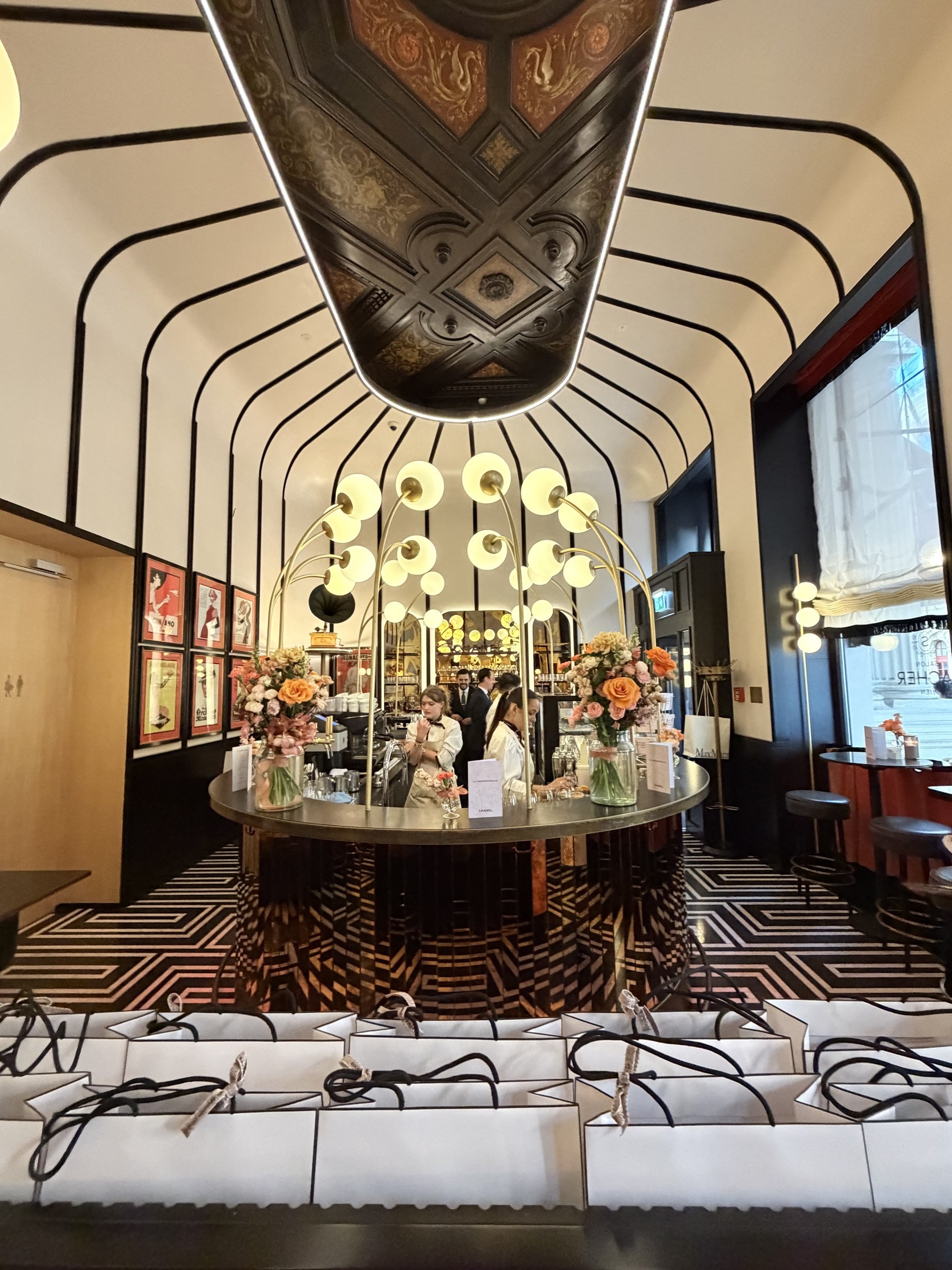
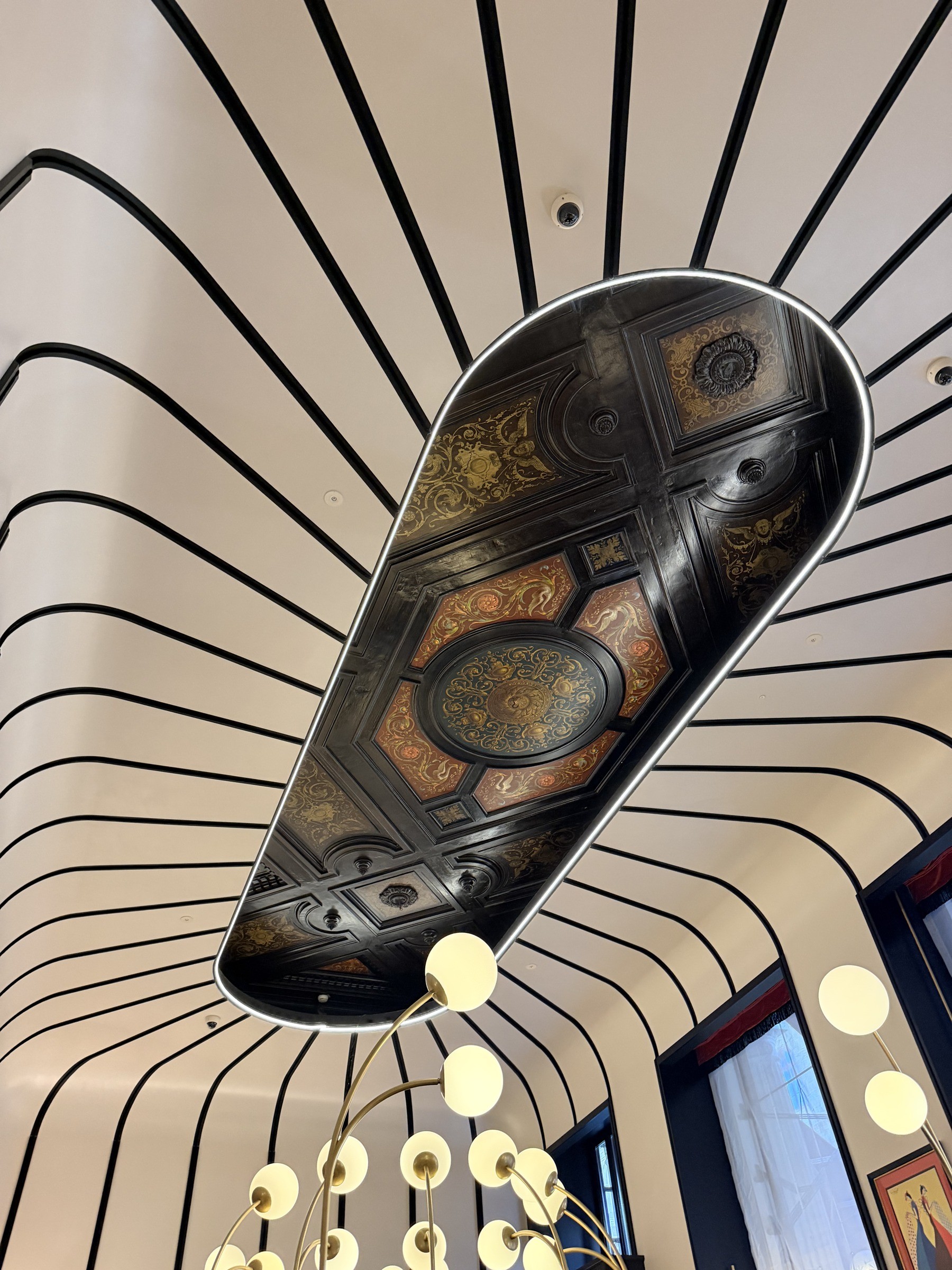

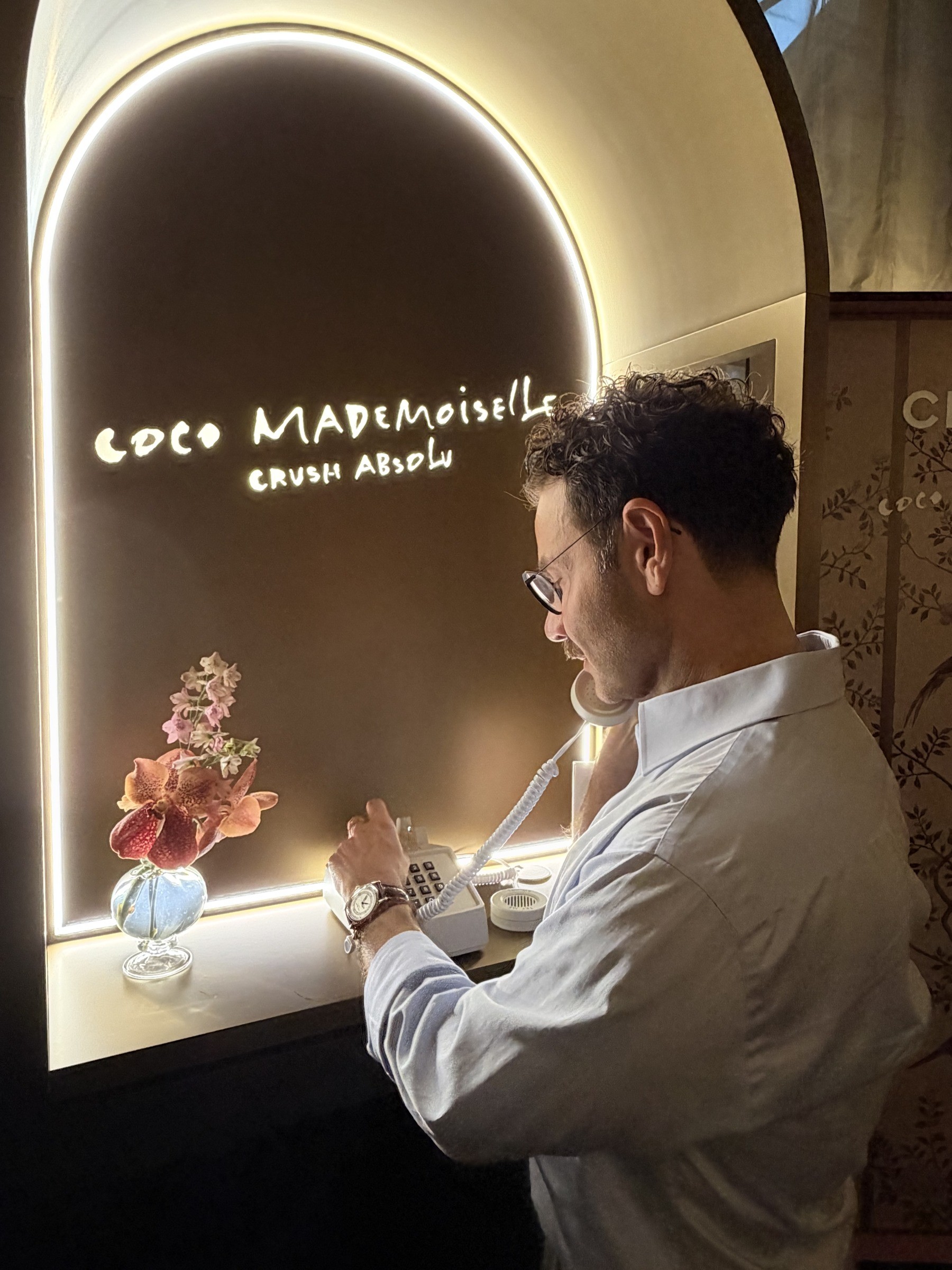

The choice of Gracie Abrams as the face of this chapter makes sense within that logic. The connection does not depend on turning her into a contemporary imitation of Gabrielle Chanel, which would have been both obvious and unnecessary. What feels more convincing is the shared emphasis on self-possession, emotional precision and a certain resistance to overstatement.
The campaign film uses Paris without turning the city into a postcard. Abrams moves through the night, enters an ordinary café and allows the scene to transform around her, which gives the idea of a “crush” a useful emotional structure. Attraction rarely begins as a strategic decision. It tends to arrive before we have fully understood why, and the campaign is strongest when it allows that instability to remain visible.
The bottle contributes to the same repositioning through darker treatment and sharper detailing, but the more important point is that CHANEL does not need to abandon the codes of Coco Mademoiselle in order to move them forward. The fragrance remains recognisable, while the emotional temperature changes.
That balance between recognition and disturbance was what made the original story interesting to me. Coco Mademoiselle has never needed to become nostalgic in order to justify its place in the house, and Crush Absolu works best when understood as an exercise in editing rather than reinvention.
For a heritage brand, touching an icon can be more difficult than creating something entirely new because an icon arrives with memory, expectation and a public idea of what it is allowed to become. The real test is whether a house can alter the mood without losing the identity.
Looking back at the piece, that is still the part I find most compelling. Heritage is not a protected room that a brand enters in order to avoid the present. At its best, it is material that can be reinterpreted carefully enough to remain recognisable while still allowing the work to move.

credits
Words and perspective
Taskin “Tash” Yüksel
Original Publication
MAISON Ë, Issue No. 5
Original commercial context
Advertorial in partnership with CHANEL
Website note
This is a newly written retrospective and does not reproduce the original advertorial in full.

